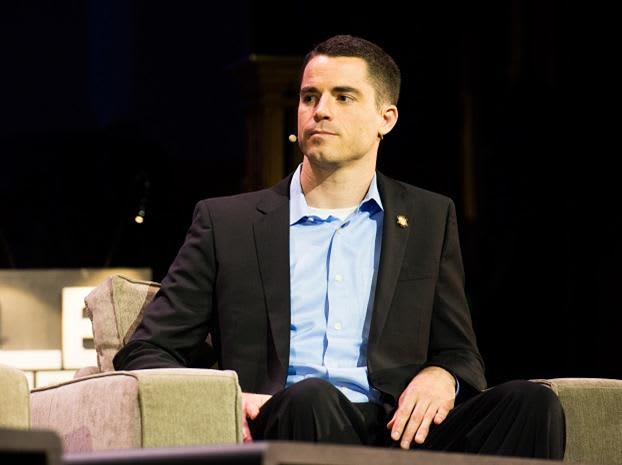
Roger Ver
Federal — Central District of California (original indictment); arrested in Spain, extradition contested through European Court of Human Rights
Roger Ver
Click to enlarge
CHARGES
Mail fraud (multiple counts up to 20 years each) Tax evasion (multiple counts up to 5 years each) Filing false tax returns

THEIR STORY

Roger Keith Ver was born in 1979 in San Jose, California. He attended De Anza College and completed a semester at Stanford before pursuing entrepreneurial ventures. He founded MemoryDealers.com and Agilestar.com. In 2000, he ran for the California State Assembly as a Libertarian Party candidate.

Roger began acquiring Bitcoin in early 2011 when a single coin cost approximately $1. He invested over $1 million in Bitcoin startups at a time when the technology was widely dismissed. He gave away Bitcoin, funded the first Bitcoin billboard, co-founded the Silicon Valley Bitcoin Meetup, and was among the five founding members of the Bitcoin Foundation.

By February 2014, Roger controlled more than 130,664 Bitcoin through personal holdings and his two U.S. companies. He obtained citizenship in St. Kitts and Nevis and renounced his U.S. citizenship. Under U.S. tax law, he was required to disclose all assets and pay an exit tax. The government alleges he did not fully report his Bitcoin holdings. Roger’s position has been that the distinction between personal and corporate holdings was genuinely unclear and that cryptocurrency valuation for expatriation purposes in 2014 involved real ambiguity.

In November 2017, Roger sold approximately $240 million in Bitcoin through his companies. The government alleged this sale was a taxable event under expatriation rules and that approximately $48 million in taxes went unpaid.

In April 2024, a federal grand jury indicted Roger on multiple counts. He was arrested in Spain on April 28, 2024. He posted bail, fought extradition through the European Court of Human Rights, and mounted a vigorous public and legal campaign. In January 2025, he posted a video appealing directly to President Trump for help.

In October 2025, Roger entered a deferred prosecution agreement. He paid approximately $49.9 million and accepted a three-year gag order. The charges were dismissed. He served no prison time — but the cost was extraordinary: a year fighting extradition, arrest in a foreign country, separation from his life abroad, and legal silencing of one of the most outspoken advocates for individual freedom in the cryptocurrency space.

Roger Ver is a dedicated practitioner of Brazilian jiu-jitsu, the author of Hijacking Bitcoin, and remains a vocal advocate for peer-to-peer electronic cash and financial sovereignty. He is a friend of MACS and a supporter of the movement to end cruel and disproportionate sentencing.

WHY THEY DESERVE A PARDON

Roger Ver is one of the most important figures in the history of Bitcoin. He was the first major investor in the Bitcoin ecosystem, backing Blockchain.com, Ripple, Kraken, BitPay, and other foundational companies when no one else would. He paid for the first Bitcoin billboard. He funded national radio advertisements promoting Bitcoin on Free Talk Live. He gave away Bitcoin to strangers to spread adoption. He earned the name “Bitcoin Jesus” not because he profited from Bitcoin, but because he believed in it and wanted the world to believe in it too. In 2014, Roger renounced his U.S. citizenship and became a citizen of St. Kitts and Nevis. He was legally required to file exit tax returns reporting the value of all worldwide assets, including his Bitcoin holdings. The government alleged that Roger underreported his Bitcoin. Roger has consistently maintained that the failure to pay arose from genuine confusion about how tax law applied to cryptocurrency — a technology so new that the IRS itself had not issued clear guidance on treatment of digital assets during the relevant period. He relied on professional advisors. These are not the hallmarks of criminal tax evasion. They are the hallmarks of a broken system that retroactively punished a man for failing to navigate rules that did not yet exist in coherent form. Roger was arrested in Spain in April 2024 based on a U.S. warrant. He faced charges carrying over 109 years in combined potential sentences. He fought extradition through the European Court of Human Rights. Support came from across the crypto and liberty communities — Ross Ulbricht wrote that no one should spend their life in prison over taxes. Vitalik Buterin called the prosecution politically driven. In October 2025, Roger entered a deferred prosecution agreement, paid approximately $49.9 million, and accepted a three-year gag order preventing him from speaking publicly about the details of his case. A man who spent his entire adult life advocating for freedom has been legally silenced. Roger’s prior encounter with the federal justice system underscores the pattern. In 2002, at age 22, he was sentenced to 10 months in federal prison for selling pest control devices on eBay without a proper license. The federal government turned a regulatory violation into a criminal case. Twenty-two years later, the same government came for him again — this time for his Bitcoin. The gag order prevents Roger from telling his own story. MACS can tell it for him.

WATCH